Spring Edition

Spring Edition
Spring Edition

Monday, April 22, 2013

Middle Fork Feather River, Lake Davis, North Fork Yuba River Fishing Reports


The Middle Fork Feather River in the Graeagle area is about a month early and is fishing like it does in late May. Water temps are running 52 in the morning and 55 during the warmest point of the day. Gray Eagle creek and Frazier creek are running at 50 degrees, normally these creeks should be running at around 46. The weather was so gorgeous this weekend, warm and comfortable! It was such a pleasure to back on home water that I know so well.


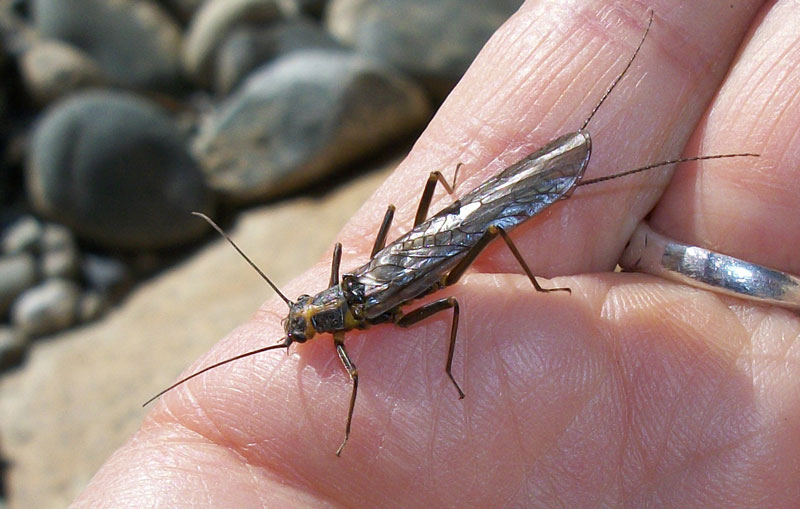
Hatches? Wow! Skwalas, Gray Drakes, Brown Duns, March Browns, and a few BWO’s in the mix. No fish rising at all but they are taking sub surface aquatic insects. The top producing flies were olive Copper Johns #16 and San Juan Worms in earthworm color. Not that much lead is needed as the flows are very low for this time of year. No dinks in the last few days as well, wild rainbows ran 12-17” with two at 18”! It’s been a long time since I have seen some big fish come from out of the depths here. Streamers were also used with a fast sinking line in the big pools but only one good bump on a 4” long Double Bunny. Spring is the best time to land a trophy brown trout here in the upper watershed.


I’m so surprised at how well the river is fishing right now! If the warm weather continues with no precipitation you can bet the Graeagle area will be too low and warm when June rolls around and one must fish below where Jamison Creek enters the river; In other words get it now while it’s good!


Much has changed since my last report at Lake Davis. The large majority of the fish are done with the spawn with some remaining in the feeder creeks that have a good enough flow to them. There was a strong North wind Thursday through Saturday and fishing was slow. Water temps have come up a bit into the lower 50's and the blood midge have started to hatch, the size of them are big; #10. 


Since the fish are so scattered and are on the move I tried a different tactic today. I put in the electric trolling motor at the slowest speed and my guy casted to different areas using a floating line with a weighted Jay Fair trolling fly #8 in brown with copper flash. We netted 3 fish in about an hour and all the fish were dark and beat up from the spawn, they were not pretty!


Loons, Cormorants, and Pelicans cruised the lake looking for fish to eat. By studying the birds I was able to locate pods of rainbows and intercept them.

To sum it all up the majority of the fish are in the south lake from Catfish cove up to Camp 5 and are holding in the upper water column from the surface down to 5 feet. I saw a damsel swimming gracefully on the water’s surface on Saturday; this could be a good omen for the future of the hatch this year. I watched a troller clean his fish and stomach contents revealed junk; moss, and other organic matter. That right there tells me the bugs are not out in force yet and things are early. As I type this I’m sure conditions have changed as everyday this coming week will be warm. It won’t be long and in the following weeks the fish will settle down and be more likely to hit a fly. I will say being back on the boat was quite a joy, and how I love Lake Davis - What a pretty girl she is!


On my way back to Nevada City I rolled on down Highway 49 and checked conditions on the North Fork Yuba. It’s running a bit high but very fishable. I stopped by The Lure resort to drop off some brochures and water temps were at 52 degrees, there was no bug activity at all.


I put on the waders in the Rocky Rest area and fished on my own with a rubber leg Golden Stone #6 with Hogan’s Red Headed Step Child trailed behind it. I also ran a bunch of split shot to get down. Water temps here were at 56 degrees. The fish were not at the heads of runs but in deep tail outs. One dink came quickly to the net. I probed a deeper slot and hooked a very large fish that possibly ran 20”. I got a good look at it from a top view but I never saw the side of it so I don’t know if it was a brown or a rainbow. I played the fish for about 8 minutes (seemed like an eternity to me!) before the fly pulled out. Damn! There was a little chunk of flesh on the Golden Stone Nymph; I guess that fish wanted a big meal.


The first flower of the season Darmera Peltata or Indian Rhubarb was out lining the banks of the river, absolutely stunning! As far as bug activity a few Gray Drakes, Carpenter Ants, and some caddis was all that was out. It will be while before the North Fork shapes up but I imagine it won’t be long!


Friday, April 12, 2013

Spirit River's UV2 Tying Materials


My philosophey on fly fishing and fly tying is to blend "new school" techniques and tactics with "old school" tradtition. I also like to say the day I know everything about fly fishing is the day I quit; and with that said I'll never quit because the staircase of progression is what fuels my fire for fly fishing and life in general. The new age is constantly tweaking and evolving ideas and science, Spirit River has taken a giant leap into the future with their new line of Ultra Violet spectrum tying materials so that we may increase our chances of hooking more fish.


Most humans can perceive only a small section of the Light Spectrum. We call this the Visible Spectrum, or VS, which runs between about 400 to 700 nanometers

Below the VS light spectrum is the Ultra Violet spectrum. There are 2 types. One is a UV Reflective Light or UVR and the other is UV Fluorescence or UVF.

UVR are the shorter wave lengths the human eye does not usually perceive. These are what we are primarily concerned with. UVR reflects through a material or is emitted by the species and cannot readily be seen by the human eye unless very expensive equipment is used.

UVF are what we all know as the usual florescent tying materials which absorb light and will emerge back out in a longer wave length we can see as brighter or will radiate under a black light.

The UVR spectrum is extremely common in the animal/insect world. This is how bees find flowers and mayflies find mates. While many male species exhibit UVR to attract mates or to feed, many females exhibit less UVR to camouflage themselves and their young.


UVR is abundant in plankton, algae, baitfish, invertebrates & similar species. UV sensitive cones in the eyes of fish allow them to see in much greater detail in adverse water and light conditions. While visible light is lost in red at approximately 10 feet and orange at 25’…UVR and UVF light can penetrate up to 150 feet depending on water clarity. The RODS in a trout eyes do not allow them much sight in low light periods of dawn and dusk. However, UV sensitive CONES in their eyes do allow fish to see more details and at greater depths. Perhaps this is why some species prefer to feed at night. Bass anglers have known about UVR and UVF which is utilized on many of their baits and lures.

Our special UV2™ dye processes on feathers and furs add more UVR by increasing its electron mobility, its luminescence and overall light spectrum. The UV2™ is high in reflectivity and has diffusing properties, which the animal world identifies and exploits. With a special UV light held behind a material, the lighter shades (red and above) will glow ever so slightly.

A better way of saying this is that our fluorescent materials “scream” at you and our UV2™ materials “whisper” to you.


Check out this clip, it will shed some "light" on UV2 materials;


To see the full line of Spirit River's UV2 materials and to place an order click here; http://www.spiritriver.com/


Thursday, April 4, 2013

Fresh Lake Davis Fishing Report 4/4/2013


What I thought was going to be a very wet and windy day turned out to be quite nice depending on where you located yourself. Dark cloudy skies with intermittent light rain settled onto Lake Davis this morning with air temps in the upper 40’s. Fishing pressure was very light and my guest and I fished Coot Bay with not another angler to be seen. We had great protection from the wind and the bay was one big “soft window”. Water temps were at 48.3 degrees and the lake is definitely up to about 80% of capacity. Most of the fish are ganged up in front of feeder creeks looking to spawn, but many of the east side snow melt creeks are already at a trickle so the trout are unable to swim up them. Grizzly, Snow, and Cow creeks have the best flows. There are two types of behaviors being displayed right now by the fish, full on spawn mode and active feeders taking midges off the surface and below. The only hatch I saw today was a very small black midge in a size 18-20, no signs of blood midge or their shucks from previous days.


The fish are in really good shape running 16-20” and clean. My guest fished “stock” style off the bank with a long leader to 3x on a floating line. Fly color was everything today! I started out tying on the tried and true orange glimmer – Nothing. Red – Nothing. Then I put on a wiggle tail with a bright olive glimmer shuck with a black tail and the trout responded on the first cast with a hook up! I’ll be tying up more of those ones for sure. 13 fish were touched in about 4 hours of fishing with 7 to the bank.


Access? It’s wide open! There is very little snow at all except a few bogs at Jenkins, and Cow which will melt out quickly with this warm rain – Just watch out for muddy areas if you are in a 2 wheel drive vehicle. As I stated before Camp 5 is fully operational with the dock in. The state of the lake is about 3 weeks ahead of a normal year. All we need now is warmer weather to bring the water temps up a bit which will intensify the hatches for more productive fishing. Good luck!


Tuesday, March 26, 2013

Product Review: Cytomax Performance Drink


For those of you who know me I'm always very vocal about sharing good info as to help others. Fly anglers are a breed all their own, we live in a world of the great outdoors and are compassionate about getting the most out of life. Summer is not that far off and I can only think about dropping into canyon water like the North Fork Yuba and presenting a hopper pattern to a willing trout. This kind of fishing is demanding and we need all the help we can get so the experience is a good one. Bonking out with zero energy climbing up a steep canyon gorge after a day of fishing is not one of them. Ever get cramps when your out float tubing kicking long distances? Cytomax is the answer for such displeasure. My other passion when I'm not on the water is cycling, it's great therapy and even better keeps me trim and healthy. Fuel and hydration are two key elements for the body. I highly recommend Cytomax Performance Drink for the demands of high level activity!

Cytomax Performance Drink is made for a different brand of athlete. Its blend of complex carbohydrates and sugars work to sustain energy, so you can train harder, build stamina, and achieve superior results.  Exclusive to Cytomax products, Alpha-L-PolyLactate is a proprietary energy source proven to provide energy longer and faster. Cytomax lowers acid in muscles, which prevents burning and cramping during training and helps reduce soreness and speed recovery

For more info on Cytomax and other great products please visit their website: http://www.cytomax.com/


Friday, March 22, 2013

Ice Out At Lake Davis Is On!


Well, I was off on my prediction of Lake Davis "popping" open from the ice this year by about 10 days, when it goes it goes quickly! Right now the lake is about 50% open water and should be totally free after this weekend's windy conditions. Water temps are running 40-42 degrees. The creeks are flowing and in the next few weeks expect spawning rainbows to be ganging up around them and staging. As always the west shore road will be snowed in for the next 3 weeks at least and Grizzly road on the east side is clear to Lightning Tree. Look for giant blood midge to be hatching in the next few weeks with small chironomids mixed in. As the fish get on the spawn Hot Orange Glimmer can work wonders whether it is a wooly bugger or a wiggle tail pattern. I know your smiling right now! Let the games begin!

Wednesday, March 13, 2013

Lower Yuba River Report 3/13/13

Tim H. of Yuba City fighting a healthy 15" Rainbow caught on a PMD Sparkle Dun

Warm weather and plenty of sunshine was bountiful today on the Lower Yuba. PMD mayflies were out in full force and there were many fish rising for duns and emergers through out the day. Technical presentations were a must and had to be spot on with your fly drifting first. Skwala stone flies were out as well crawling on the shoreline rocks and flying. I did not see any fish take one on the water though. The fished were keyed in on the PMD's big time! Effective dry flies were PMD Sparkle Duns, and Quigley Cripples in sizes 14 and 16. If you plan on fishing the river look for pods of rising trout and approach cautiously, they are spooky right now and can be put down by a bad cast.

Everyday is different here, but I suspect with these warm temps the bugs will be out and the fish looking up. Good luck out there! 


Friday, March 8, 2013

Native Sons Fly Fishing Tours


Interested in learning every detail about one of these classic Sierra freestone rivers? Look no further and immerse yourself with great usable information that will last through your entire angling life. More than just an average guide trip, these tours are designed to give fly anglers all they need to know to be successful when venturing onto these waters. Tour days will consist of access points, equipment, rigging, tactics, techniques, flies, entomology, and local inside knowledge. What takes years for many anglers to learn, you’ll solve the puzzle for these rivers in one day.


The tours are limited to six anglers per trip to ensure a high quality experience. You’ll be able to decipher and learn the many different characteristics that each river has and more! Shorten the learning curve and those countless days of prospecting with these popular tours. Your tour guides Jon Baiocchi and Frank Pisciotta have 90 years combined fly fishing experience, and 45 years of successfully guiding anglers on these waters. Frank and Jon were both born and raised in Northern California and are proud to be “Native Sons”. Anglers of all abilities are welcome, and we look forward to expanding your horizon while sharing the secrets. Price per angler: $200. These tours offer more bang for your buck!

Dates for Tours in 2013:

Wild & Scenic Middle Fork Feather – June 1st
Big and Little Truckee Rivers – July 6th
North Fork Yuba River – July 13th

To book your tour today or for more information please contact Jon at 530.228.0487/ baiocchistoutfitters@yahoo.com 


Wednesday, February 27, 2013

2013 Stillwater Clinics At Lake Davis


Lake Davis is well known for its prolific Damsel hatch. Anglers come from all over the West to fish Davis during the Damsel hatch each year. We will be spending two weekends sharing some of our secrets on how to fish Davis Lake and also teaching anglers techniques to use on stillwaters anywhere. We will cover everything from stalking trout and sight fishing the shoreline, to deep water nymphing in the middle of the day. Lake Davis is the perfect venue to sharpen your stillwater skills and practice some of our advanced techniques.
Rob Anderson and myself have been fishing and teaching anglers advanced stillwater techniques for over 15 years. I'm well known in the Sierras for my expertise on advanced stillwater techniques and love to share them. Both Rob and I do seminars at shows and fly club meetings and now offer these clinics that are on site, allowing particpants to use what they have learned. Rob is a commercial fly and product designer and has also managed the Reno Fly Shop for years. He specializes in hosting outings and teaching large groups, his gourmet backcountry cooking is the icing on the cake with these clinics.
The clinic will be a 2 day fishing event and will cover advanced Stillwater techniques, proper rigging, shore line wading as well as float tube, pontoon boat and small pram techniques. There will be lots and lots of free time to practice and catch some of those big beautiful Rainbows at Lake Davis. Space is limited to 10 anglers.
Dates: June 21-23: (Sold Out)
            June 28-30: (Sold Out)
Friday afternoon – check-in and set up, dinner at the camp and our detailed PowerPoint presentation and intro on the weekend’s events.
Saturday & Sunday – Two full days of fishing and learning new techniques on the lake with Rob and myself including lunch both days and dinner Saturday night.
Accommodations
We will be using one of the many campgrounds around Davis Lake. Anglers are encouraged to camp with us or to use one of the local motels in the area. Call or email us for more details.
Price: $295   Includes – two days guide fee, dinner Friday and Saturday night and lunch at the lake each day, free swag from our sponsors and use of demo equipment.
Rob Anderson      rob@bucketlistflyfishing.com            775.742.1754
                            Truckee River Outfitters
Jon Baiocchi        baiocchistroutfitters@yahoo.com      530.228.0487
                            Baiocchi's Troutfitters
These clinics are a real bargain, you get more bang for your buck and the knowledge learned will be with you forever! I Hope you can join Rob and myself for a great fun filled and informative weekend at Lake Davis!

Saturday, February 9, 2013

"Fly Fishing Eagle Lake" Presentation At Fly Fishers of Davis Meeting


I will be speaking at the Fly Fishers of Davis February meeting on the 26th. My power point presentation “Fly Fishing Eagle Lake” is a must see as I unlock many secrets to this vast stillwater that is so popular with fly anglers all over the west and beyond. I go in depth and cover access points, techniques, tactics, flies, entomology, the Eagle Lake rainbow, the seasons, and the history of the lake. There will be over a hundred slides of great information including maps and diagrams. I will also be donating a set of special Eagle Lake flies for that evening’s raffle in a stylish wooden box.

The meeting will be held at "Harper Junior High", 4000 East Covell Blvd. in east Davis and starts at 7:30 pm, the presentation will follow at 8pm. Guests are welcome and admission is free. I hope to see you there!


Saturday, February 2, 2013

iFish Belt Box Review


When I first got my hands on iFish’s Belt Box I thought to myself it’s just another gadget to put on my fly fishing vest and add clutter. But after field testing the Belt Box on the Lower Yuba River I came to the conclusion that his handy box to keep your flies in is much more. Like a gun slinger in the heat of battle this box allows an angler to have a “quick draw” when choosing their weapon of choice to tie on the end of their line. The box easily attaches to a belt or fishing vest and the groove at the bottom of the slide on tab is made for a placement of a rubber band or zip tie that you fasten over by pinching the tab shut to ensure your box will stay put. With a click of the top “open” tab the box folds away from you and displays two halves of compartments to hold big and small flies. Each compartment is very secure and will not open on its own ensuring you won’t see your prized patterns drift down the currents.


During my field test I put the box on the upper right side of my vest and filled it with my Skwala stone fly patterns for the day. While making presentations to a very selective trout that would not take my first choice of fly, I simply went to my iFish Belt Box and in seconds had another different fly on ready to give that fish another cast. There were no zippered pockets to battle or fumble through; all my flies were right where I needed them. Sometimes simpler is better, and when I fish small creeks and streams all I need in the way of tackle is some flies, nippers, tippet, some gel floatant, and my forceps. I can put all the tackle in a shirt pocket, while the Belt Box holds my flies in an easy to get to location.


Some drawbacks with boxes that have sealed compartments is that you never want to put back wet flies back in them as rust will form on your hooks. (Note: I did an experiment with water soaked flies left in the box in a cold environment for 2 days and much to my surprise there was no rust and my flies were dry!!!) This is where a good fly patch comes in handy to dry out them out before putting them back in the compartments for later use. The Belt Box is not bomb proof, but like any good piece of equipment if you ensure proper care it will last for years. Compartment boxes are not wind friendly, your dry flies are subject to being blown out while the compartment lid is open. The Belt Box does offer better wind protection than most compartment style boxes on the market though.

I can honestly say that this little innovative box will be a new companion with me when I venture out onto the water, especially those lush deep canyons in the Sierra where the tiniest of creeks hold some of the prettiest trout on the planet. For more information and to see the complete line of iFish products visit their website at http://www.ifish.com/


Thursday, January 24, 2013

Lance Gray & Company Lower Yuba River Tour


Lance Gray of Lance Gray & Company and myself have teamed up to provide anglers a tour of the incredibly moody Lower Yuba River. We will shorten the learning curve and the countless hours of prospecting that so many anglers new to the Yuba River struggle with. Included on the tour is a highly informative day describing access points, hatches, flies, techniques, tactics, and times to fish. The tour is limited to 6 people, and the date for this opportunity will be on March 6th. To sign up or for more information please contact Lance at lancegrayandcompany@yahoo.com ~ 530.517.2204. His website is http://lancegrayandcompany.com/, where you can learn more about Lance and his highly popular fly fishing tours.


Monday, January 21, 2013

The Pale Morning Dun Mayfly


The Pale Morning Dun mayfly is one of the more prettier mayflies we have here in the west, Genus Ephemerlla is a favorite among trout. This is a hatch where an angler can sleep in and have a leisurely breakfast before getting out on the water. PMDs hatch late morning to noon time. These mayflies start hatching as the weather warms in early spring, but on some rivers like the Lower Yuba they begin even earlier due to the lower elevations and the fact that it's a tailwater which can fool the bugs with the rise and fall from water releases. Colors of the dun range from a yellowish olive to light olive, and some have pastels of orange and pink. From the crawler family, these mayflies have three tails and are 7-12mm.


As PMDs get active before the hatch trout will feed heavily on nymphs that let go of the bottom part of the river and become available in the drift. High sticking is very effective during this time but I prefer to swing flies in the tailouts of major runs and riffles. The simple act of your fly rising at the end of the swing mimics the emerging nymphs quite well and aggressive takes are the norm.  The nymphs drift to the top water column buoyed by gasses trapped in their exoskeleton upon emergence. To perpetuate the species the PMDs come off in massive numbers at times which can cause quite the feeding frenzy when the trout take notice. Fish can also get fussy at this time but not too selective so an angler will still find it challenging yet fruitful.


The freshly hatched dun is active for two days, then the transformation to spinner takes place in stream side foliage. Spinners have clear wings and a rust colored body, males have over sized orange eyes that attract the female when finding a mate. After mating the male spinners fall to the water and become spent while the female drops her eggs from the air over riffles or by floating on the water. The eggs are yellow in color and some trout key in on females with egg sacs during a spinner fall. The rusty spinner is the standard dry fly to use at this time.


The PMD Sparkle Dun is my go to fly when duns are hatching, refusals are rare with this fly and the trailing shuck lets trout know that this mayfly is a helpless emerger, or even a cripple which translates to an easy meal. Sizes 14 and 16 will cover any hatch you may encounter. Now is the time to spin up some PMD patterns and fill your box with dreams of blanket hatches and rising tout.


Sunday, January 6, 2013

Skwala Stoneflies Are Starting to Hatch On The Lower Yuba


Every January fly anglers look forward to one of the most anticipated aquatic insect hatches on the lower Yuba River; The Skwala Stonefly emergence. It’s a hatch where fishing the dry fly right next to the bank where the naturals crawl out from the water gets the best results. This stonefly gets active in mid-December and nymphs make their way to the quiet waters next to the cobble stone banks. When conditions are right, the nymphs crawl up the shore and under loose rocks and hatch into a fully mature winged adult whose prime purpose is to find a mate to produce offspring.


Warms days are best for a good hatch; the adults make their way to the tops of the rocks and warm up in the sun. The female will then fly over the water, some drop their sacs from the air like a clumsy B-17 bomber and others land on the water flush and float down the currents before releasing the eggs. It’s the latter that gets the attention of a hungry trout looking for a big meal in the meager cold winter months. As the weeks go by in January and into February the trout “key in” on the stoneflies, they know the insects are in the system and available for their afternoon meal.

Photo by Dan LaCount

Keys for the fly angler to be successful are for one using a good pattern. The bullet head Skwala with rubber legs gives the fly plenty of movement and just the right profile of the natural, it fools the wariest of trout most every time. Secondly these fish are spooky and selective when in the skinny water next to the bank. Their senses are on high alert for predators like the Blue Heron, and selective because of the masses of fly anglers fishing for them with artificial stonefly patterns.
 

One way to cut down on trout refusing your fly is to present it fly first, casting downstream and feeding out line to your intended target with a drag free drift. This way the fly comes into their view first and not the leader and fly line. Lastly look for active fish rising for the Skwala stonefly, and hone in on their exact location before making your presentation to them. Blind casting and beating the water can push the trout away from the bank and out of the feeding lanes. The lower Yuba offers the best dry fly fishing in winter for the entire state and fly anglers should concentrate their efforts here for it’s the best game in town!


Monday, December 31, 2012

Happy New Year And A Big Thank You!


2012 brought great success, tail spinning disasters, big fish, big smiles, and lessons learned the hard way. This year was by far my most successful year in the books regarding my guide service. Most of you may think guiding is all ice cream and cake but behind the scenes are massive campaigns with networking, marketing, and public relations. Not to mention the countless hours of tying flies, researching, organizing, writing articles, and problem solving be it a complicated fishery or a boat motor. It's a job that I don't just love but know I was put on this earth to do; sharing the knowledge. The picture above says it all!

I want to first thank all my clients who ventured in the deep canyons and combed the fertile stillwaters with me whether the fishing was red hot or mediocre, no matter the venue I will always provide the very best to them in service and adventure. Next I'd like to thank my Dad who made my fly fishing knowledge what it is today, and the rest of my family and friends for their support. To all the fly shops, magazines, lodges, restaurants, cafes, hotels, newspapers, fly fishing clubs, sponsors, fly fishing reps and manufacturers, my website designer, mechanics, guide friends, the bugs, the fish, and to all those I have forgotten - THANK YOU!!!     

In the grand scheme of things 2013 is just another year, a set of numbers that click away with each passing of the moon. Yes, we are all a little older, but a bit wiser too. May this year bring all of you good fortune, happiness, good health, and plenty of hook ups! See you on the water.


Thursday, December 20, 2012

Upcoming Presentations - Yuba River & Eagle Lake


Looking for more information on the Yuba River and Eagle Lake? If your near these two stops I have scheduled please come by and learn more on these two magnificent fisheries as I unlock the secrets so you can have better angling success on your next trip!


On January 8th I will be in Modesto at the Stanislaus Fly Fisher's monthly club meeting presenting "Fly Fishing the Lower Yuba River". The general meeting starts at 6:00pm and is followed by my super informative power point program featuring the Yuba watershed, access points, techniques, tactics, entomology, and the flies that produce!  This river is a moody one and I'll share my insight on what works best for all the seasons including some special hatches that take place here. You'll walk away with some more ammo for your next quest to this grand tail water. For more information click here; http://www.stanislausflyfishers.org/Home.html


The following evening Ill be in the hub of great trout fishing at the Trinity Shasta Fly Fisher's monthly club meeting in Redding on January 9th presenting my best power point program; "Eagle Lake". If you have never fly fished the ancient shores of Eagle Lake you will most certainly want to after you see my program. The history of the lake and its connection to the great Lake Lahontan is reason alone to come check out and learn about the Eagle Lake Rainbow trout. You'll be introduced to a variety of access points to fish, and the unique habits of these magnificent trout. Flies, tactics, and techniques are thoroughly covered as well. The general meeting starts at 7:00pm followed by my stellar presentation. For more information click here; http://shastatrinityflyfishers.org/

Knowledge is power!


Friday, December 14, 2012

Lower Yuba River Report

Photo by Ralph Cutter http://www.flyline.com/

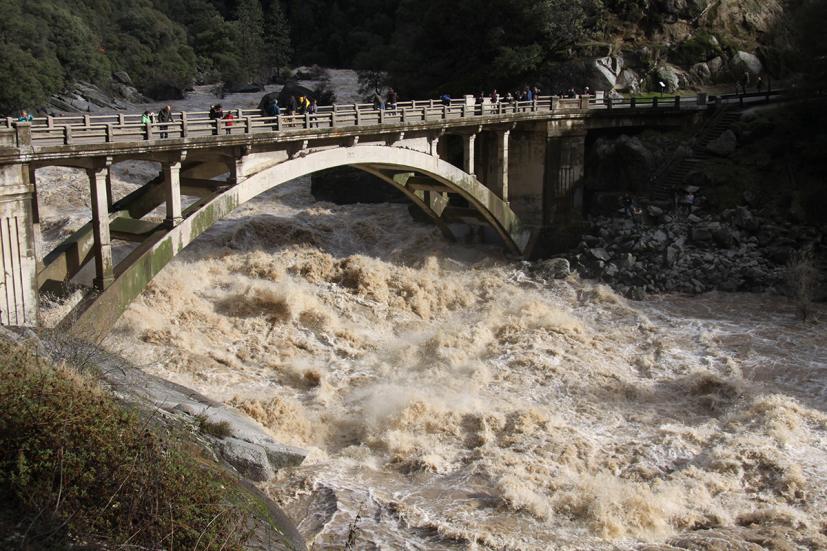
The flows on the Yuba river are way down after running so high from the huge amount of rain a few weeks ago. During the peak of the storm flows were at 34,000 cfs and Englebright dam was spilling over the top in dramatic fashion. Right now the flows are stabilized at 1,300 cfs and the river will be clearing in the next week, look for the resident rainbows and migrating steelhead to be on the bite again. Yuba County Water Agency just announced that the regular winter flows will be released from Englebright until spring. These flows range from 900 to 1,300 cfs and depending on the size of storms or lack of will determine the flow schedule. For anglers this means you will have plenty of spots to fish from the bank and you will be able to cross the river in select spots.  Right now your best approach for fly fishing is using san juan worms, micro spawn shrimp in pink, jimmy rubber legs stonefly, red copper johns, Hogan’s red headed step child, and Skwalla stone fly nymphs. These flies are best presented under an indicator and a dead drift in the deeper holding water below riffles and runs.


Frank Rinella with a beautiful wild steelhead. Photo by Clay Hash http://www.flyfishingtraditions.com/

The new year on the Yuba brings the best winter dry fly fishing in the state, it happens every year and more and more fly anglers are catching on to this great game. Since the Lower Yuba is located on the edge of the central valley temperatures are very comfortable for this time of year, especially when the sun is out. Skwalla stoneflies, pale morning dun mayflies, and gray drakes become the focal point for the trout. As we get into late February we can look forward to the March brown mayflies hatching well into April. Presenting dry flies to selective feeders is very challenging on the Yuba, it’s not easy and to be able to hook into a few nice fish is really satisfying; you’ll earn every one of them!

For information on flow schedules click here; http://cdec.water.ca.gov/river/yubaStages.html
For general fishing information call Tom Page of Reel Anglers fly shop in Grass Valley - 
(530) 477-5397.


Monday, December 10, 2012

Product Review; FoxFury Headlamps

All headlamps are not created equal, in fact when it came time to choosing one for a climb on Mt. Shasta in Northern California, I opted for the best. To be successful for a summit bid on big peaks a true alpine start is the only way. This start requires the climber to be on the route just after midnight to allow enough time to summit at first light and to get back down before conditions get sketchy with avalanches and rock fall later in the day. Climbing at night is very spooky, it's creepy venturing upwards into the unknown and your headlamp is a key element in your safety. FoxFury makes dozens of models for professionals in all types of occupations, mostly police, fire, and military work. I chose the Performance Outdoor / Work headlamp. It offers 20 LED lights that cast 62.0 Lumen (779 candle power) and a range of 100-150 feet with a generous amount of peripheral vision. Enough to clearly see the route ahead and hidden dangers that other headlamps would miss.

For fly fishing it has become an indispensable tool when doing missions at Eagle lake at O dark-thirty, lighting my way to the bountiful buckets before the other guys are waiting for first light. It's also my best buddy when rigging the boat in the dark and making sure everything is safely in its place. I highly recommend this headlamp and the customer service provided by FoxFury is the very best; They want you safe out there no matter the job! Check out their website here; http://www.foxfury.com/ and look over the complete line.

Don't be stuck with inferior lighting and suffer like a caveman waving a low power torch, Illuminate your next adventure with FoxFury!

Sunday, December 2, 2012

Tying The Emergent Sparkle Pupa


Gary Lafontaine left a legacy in the fly fishing world when he departed way too early from this earth. It did not matter what project, fly, or idea he worked on, it was always done Gary's way; thinking outside the box with every detail accounted for and a method to the madness. There is one fly pattern that he created that could be considered his masterpiece, the fly that replaced every other caddis pattern past, present, and future; The Emergent Sparkle Pupa.

This is an easy fly to tie but there is one key element to it that Gary preached, and that was tying it sparse so it held the air bubbles just like the natural had when emerging to the surface. It's also the translucency of the fly that pulls reluctant fish off the bottom to consume on this sparkling creation. There are some basic color combos to this fly like yellow underbody/brown overbody, bright green/brown, ginger/tan, dark gray/gray, and orange/brown. Don't be afraid to experiment. I tied a combo of an amber underbody with a clear antron overbody and cleaned house on the Madison River in Montana around the West Fork area.

My two favorite ways of fishing the Emergent Sparkle Pupa is to cast down and across current and swinging it into pods of rising fish, or greasing the entire fly and feeding it with a fly first drift to individual fish down technical feeding lanes. Even fished poorly this fly catches more trout than any other caddis pattern and that alone may explain its popularity with fly anglers.

RECIPE:
Hook: Tiemco 100 or standard dry fly hook #6-20.
Underbody: Finely chopped sparkle blend touch dubbed.
Overbody: Sparkle yarn/Antron.
Wing: Deer hair.
Head: dubbed fur or marabou fibers.

Total Pageviews